
Potential Covestor Application
"One is too small of a number to achieve GREATNESS"
- John Maxwell

Our Vision
We Help
HUMANITY
Realise a
HOLISTIC LIFE
of
BREAKTHROUGHS

Our Mission
To Achieve A
BREAKTHROUGH MOVEMENT
By Multiplying
HEALTHY & POWERFUL LEADERS
That Serves
ASIA & BEYOND

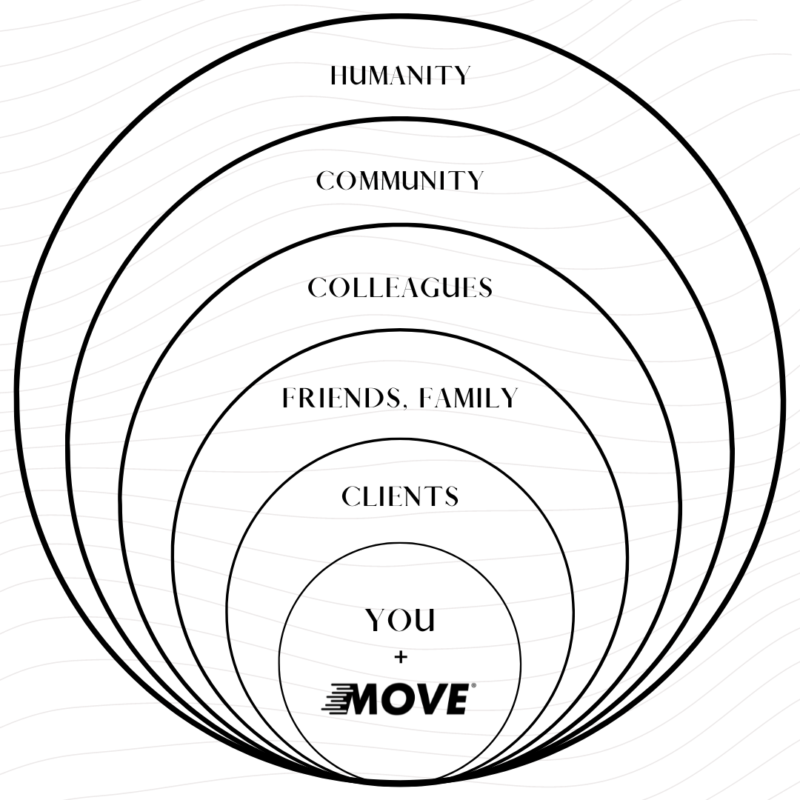
Powerful Leaders +
Resilient Business
More Impact
So the mission is simple for Move HQ team: We bring breakthroughs to team members & clients through leadership & business development.
Together as breakthrough communities all around, we create a breakthrough ripple effect that eventually becomes a breakthrough movement.
This is the fundamental vision of our business. This is what we believe.
Next Covestment Audit Workshop Details
Date: 7th Dec 2025 (Sunday)
Time: 1pm-4pm
Venue: MOVE Jalan Ampang
FAQ
What are synthetic shares in Covestment?
Synthetic shares (also called phantom shares or virtual shares) are not actual equity in a company.
Instead, they are a contractual dividend right or profit sharing right that mimics the value or performance of real shares — without giving the holder any legal ownership. Hence, minusing all the administrative/legal encumbrance and fiduciary duties that comes with being a real shareholder.
What are the legal and structural implications of synthetic shares?
A synthetic share is created entirely by contract, not by issuance under company law.
The participant doesn’t become a shareholder in the company’s register.
The company promises to pay an amount equivalent to what the participant would have received if they had owned a certain number of real shares.
What are the benefits of synthetic shares?
You avoid many of the hassles that real shareholders face:
- No company law filings or share certificates.
- No need to sign shareholders’ agreements or attend meetings.
- No personal liability as a shareholder.
It’s simpler, faster, and cleaner — in other words, just get the profit share, minus the headaches.
Are dividend/profit sharing received as a synthetic shareholder subject to income tax?
Yes — any dividend-like or profit-sharing payment under a synthetic share plan is generally treated as income and therefore subjected to personal income tax. Please manage and fulfill your personal income tax responsibly.
What does Covesting in a Collective mean?
A Collective is a private limited company that manages a group of approximately 5 to 8 branches under a unified structure. The company’s profitability reflects the combined results of all branches' performance within the Collective. Covesting in a Collective means you will be sharing in the profits of all the branches of that Collective.
What are the benefits of Covesting in a Collective?
Covesting in a Collective offers several key advantages:
- It diversifies your risk, providing a more balanced and stable investment portfolio.
- A Collective operates with greater capital efficiency, making every unit of capital works harder.
- It reduces administrative and compliance overheads, resulting in lower operational costs.
Simply put, it means more efficiency, less risk, greater value for your investment.
